When people search for products or services online, they usually want to find the most relevant information or a reliable business that can meet their needs. However, not every business targets the same audience. Some companies want to reach customers across different countries, while others want to attract people within a specific city or nearby area. This is where understanding local SEO vs. SEO becomes important.
Both strategies help businesses improve their visibility in search engine results, attract relevant website visitors, and build an online presence. However, they have different goals, techniques, and target audiences. Traditional SEO focuses on improving a website’s visibility in broader search results, whereas local SEO helps businesses connect with potential customers searching for nearby products and services.
In this guide, we’ll explain the differences between local SEO and traditional SEO, explore their benefits, discuss important optimization techniques, and help you understand which strategy is right for your business.

What Is SEO?
Search Engine Optimization (SEO) is the process of improving a website to increase its visibility and rankings in organic search engine results. It involves optimizing website content, researching relevant keywords, improving technical performance, and building website authority. The main goal of SEO is to help search engines understand your website and connect its pages with users searching for relevant information, products, or services.
For example, when someone searches for “best digital marketing strategies,” SEO helps relevant websites appear in search results through valuable content and proper optimization. Professional SEO services can help businesses attract their target audience, improve online visibility, and generate organic traffic. Unlike local SEO, traditional SEO focuses on reaching a broader audience rather than targeting customers in a specific geographical area.
Key Elements of Traditional SEO
Some important elements of SEO include
- Keyword Research: Finding relevant search terms that your target audience uses.
- On-Page SEO: On-page SEO services include optimizing titles, meta descriptions, headings, URLs, images, and website content.
- Technical SEO: Technical SEO services include improving website speed, mobile usability, crawlability, indexing, and overall website performance.
- Off-Page SEO: Also known as a link-building service that helps a website to increase website authority through relevant backlinks and online mentions.
- Content Marketing: Content marketing services help businesses publish helpful articles, guides, and other valuable resources.
- User Experience: Making your website easy to navigate and useful for visitors.
These activities help businesses improve organic search visibility and attract relevant traffic over time.
What Is Local SEO?
Local SEO is a specialized branch of Search Engine Optimization (SEO) that helps businesses improve their visibility in location-based search results. It focuses on connecting businesses with potential customers searching for products or services in a specific geographical area. For example, searches such as “plumber near me,” “best restaurant in New York,” or “digital marketing agency in New York” show that users are looking for local businesses.
Professional local SEO services can help businesses improve their local search presence, reach relevant audiences, and attract more potential customers from their target locations. One of the most important parts of local SEO is creating and optimizing an accurate Google Business Profile to improve visibility in Google Search and Google Maps. Businesses should also optimize their websites with location-specific keywords, maintain consistent contact information across online directories, encourage genuine customer reviews, and publish relevant local content.
These strategies help search engines understand a business’s location and services, making it easier for nearby customers to discover and contact the business.
Key Elements of Local SEO
Important local SEO activities include:
- Google Business Profile Optimization: Keeping business details, categories, contact information, and opening hours accurate.
- Local Keyword Research: Targeting relevant keywords that include cities, neighborhoods, or local search intent.
- NAP Consistency: Maintaining consistent business name, address, and phone number information across online platforms.
- Customer Reviews: Encouraging genuine customer feedback and responding professionally.
- Local Citations: Listing business information in relevant and trustworthy online directories.
- Location Pages: Creating useful website pages for the actual locations a business serves.
- Local Link Building: Earning relevant links and mentions from local websites and organizations.
These activities help search engines understand where a business operates and which local searches are relevant to its services.
Local SEO vs SEO: What Are the Main Differences?
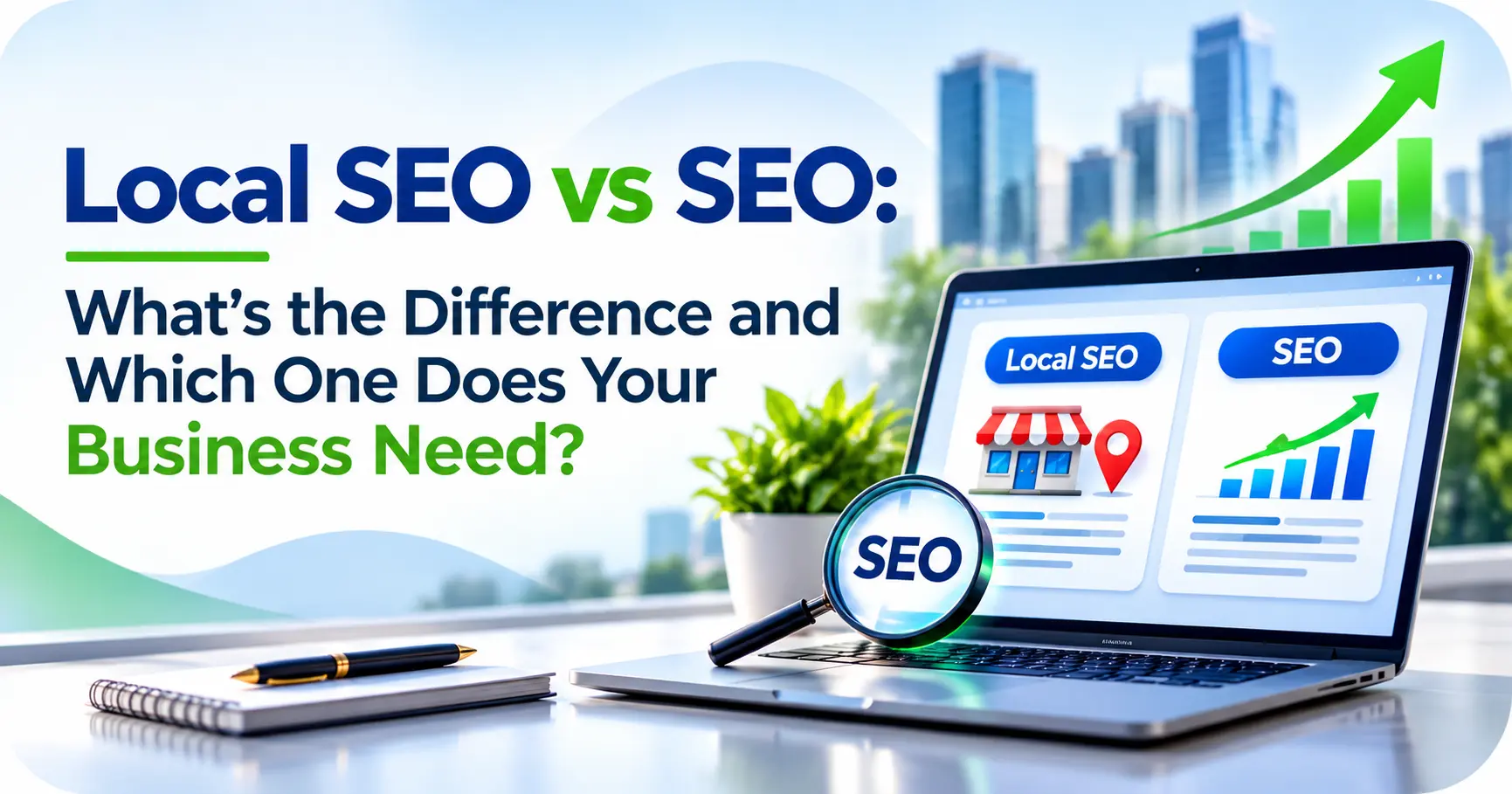
Although local SEO and traditional SEO share many optimization techniques, their main difference is the audience they target and the type of search visibility they aim to achieve.
Let’s understand the major differences.
|
Comparison |
Traditional SEO | Local SEO |
|
Main Goal |
Improve broader organic visibility | Attract nearby customers |
|
Target Audience |
National or global audience | Local audience |
|
Keyword Focus |
General keywords | Location-based keywords |
|
Google Results |
Organic search listings |
Local Pack, Maps, and Organic Results |
| Business Type | Blogs, online stores, and national brands |
Restaurants, clinics, and local service businesses |
| Main Tools | Search Console and SEO tools |
Google Business Profile and local SEO tools |
| Content Strategy | Broad informational and commercial content |
Location-specific and service-related content |
| Customer Intent | Informational or commercial |
Often location-based and action-oriented |
1. Target Audience
Traditional SEO targets a broader audience by helping websites reach people searching for information, products, or services across different regions and countries, regardless of their location. It is ideal for businesses looking to attract visitors and expand their online presence on a wider scale. In contrast, local SEO focuses on reaching potential customers searching for businesses, products, or services within a specific geographical area, making it particularly valuable for companies serving customers in particular cities, neighborhoods, or nearby locations.
2. Keyword Strategy
Traditional SEO focuses on broader search terms such as “SEO tips,” “best running shoes,” or “website development” to attract users searching for information, products, or services without a specific location in mind. In contrast, local SEO targets location-based keywords such as “SEO agency in Chicago,” “dentist near me,” or “best coffee shop in Los Angeles” to connect businesses with potential customers in specific geographical areas.
Choosing the right keywords for each SEO strategy helps businesses reach relevant audiences, attract quality traffic, and connect with people who are more likely to need their products or services.
3. Search Engine Results
Traditional SEO primarily aims to improve rankings in standard organic search results. Local SEO also targets Google’s local search results, including the Local Pack and Google Maps listings.
These results can help people discover nearby businesses, compare available options, and find important business information.
4. Optimization Techniques
Both approaches require quality content, technical optimization, and relevant backlinks. However, local SEO places additional importance on Google Business Profile optimization, accurate business information, customer reviews, local citations, and location-specific website content.
What are the Main Local SEO Benefits?
Local SEO offers several advantages for businesses that want to attract customers from their surrounding areas. It helps improve online visibility and connects businesses with people actively searching for relevant local products and services.
Here are some important local SEO benefits.
1. Better Visibility in Local Search Results
Local SEO helps businesses improve their chances of appearing in relevant local searches and Google Maps results.
When your business information is accurate and your website is properly optimized, potential customers can find your services more easily.
2. Attract More Relevant Customers
Not every website visitor is a potential customer. Local SEO focuses on reaching people searching for services in the areas your business actually serves.
For example, a plumbing company in Chicago can target searches related to plumbing services in its service area instead of focusing only on broad plumbing keywords.
3. Generate More Local Leads
One of the biggest advantages of local optimization is its potential to generate relevant inquiries. When people discover your business through local searches, they may visit your website, call your business, request directions, or submit a contact form.
With an effective strategy, local SEO can help businesses attract more local SEO leads and create opportunities for new customers.
4. Build Trust and Credibility
Customer reviews, accurate business information, and a professional online presence help build confidence among potential customers.
Responding to reviews and regularly updating your business information also demonstrates that your business is active and values customer feedback.
5. Improve Website Traffic and Conversions
Local SEO can attract visitors who are already interested in products or services available in their area.
Because these visitors may have a clear intention to contact or visit a business, local search traffic can create valuable conversion opportunities.
How to Improve Your Local SEO Strategy
A successful local SEO strategy requires consistent optimization rather than focusing on only one ranking factor.
Here are some practical steps businesses can follow.
1. Optimize Your Google Business Profile
Start by claiming and verifying your Google Business Profile. Make sure your business name, address, phone number, website, business category, and operating hours are accurate.
Add relevant photos, describe your services clearly, and respond to customer reviews. Complete and accurate information helps Google understand your business and its relevance to local searches.
2. Target Location-Based Keywords
Research the keywords people use when searching for your services in specific locations.
For example, a web development company could target:
- Web development services in New York
- Website design company in Washington
- Professional web developers near me
Use these keywords naturally in relevant page titles, headings, descriptions, and website content. Avoid repeating location-based keywords unnecessarily because content should always provide value to readers.
3. Create Helpful Location Pages
If your business genuinely serves multiple locations, create dedicated pages explaining the services available in each area, including relevant information about your services, service coverage, business details, and frequently asked customer questions.
Each location page should offer unique and useful information rather than simply replacing one city name with another.
4. Maintain Consistent Business Information
Your business name, address, and phone number should remain consistent across your website, Google Business Profile, and relevant directories.
Incorrect or outdated information can confuse potential customers and make it harder for search engines to understand your business details.
5. Publish Relevant Local Content
Create content that answers questions and solves problems for your local audience. You can publish local guides, service-related articles, industry updates, and helpful resources connected to your business location.
Useful content can improve website relevance and create additional opportunities to attract organic traffic.
Do You Need a Local Search Marketing Agency?
Managing local SEO requires research, content optimization, technical knowledge, and regular performance monitoring. For businesses with limited time or SEO experience, working with a local search marketing agency can make the process easier.
A professional agency can help with:
- Google Business Profile optimization.
- Local keyword research.
- Website and location-page optimization.
- Local citation management.
- Review management strategies.
- Local link-building opportunities.
- Performance tracking and reporting.
Before choosing an agency, review its experience, previous projects, services, and reporting process. Select a provider that focuses on sustainable optimization instead of promising guaranteed rankings.
What Are Local Business SEO Solutions?
Local business SEO solutions are services and strategies designed to improve the online visibility of businesses operating in specific locations. These solutions can be useful for restaurants, healthcare practices, retail stores, repair companies, real estate businesses, and professional service providers.
A complete local SEO strategy may include website audits, Google Business Profile management, local keyword targeting, citation building, content development, and performance tracking. The right approach depends on the business type, competition, service area, and marketing goals.
What Is a Local SEO Platform?
A local SEO platform is a software solution that helps businesses and SEO professionals manage different local optimization activities from one place.
Depending on the platform, its features may include:
- Google Business Profile management.
- Local keyword rank tracking.
- Business listing management.
- Review monitoring.
- Competitor analysis.
- Local SEO reporting.
These platforms can save time when managing multiple business locations or clients. However, software alone cannot create an effective SEO strategy. Businesses still need accurate information, helpful content, genuine customer feedback, and consistent optimization.
What Is the Best Tool for Local SEO?
There is no single tool that is best for every local business. The right choice depends on your requirements, budget, and optimization goals.
Some useful tools include:
- Google Business Profile: Helps businesses manage their local presence on Google Search and Maps.
- Google Search Console: Provides information about website search performance, indexing, and search queries.
- Google Analytics 4: Helps measure website traffic and understand visitor behavior.
- Semrush: Offers keyword research, competitor analysis, and SEO tracking features.
- BrightLocal: Provides local SEO features such as citation management, local rank tracking, and review monitoring.
For beginners, Google Business Profile and Google Search Console are useful starting points. Businesses managing several locations may benefit from dedicated local SEO platforms.
Local SEO vs SEO: Which Strategy Should You Choose?
The right strategy depends on your business model and target audience. If you run a blog, an international online store, or a business targeting customers across different countries, traditional SEO may be your primary focus. If you operate a restaurant, dental clinic, repair service, retail shop, or another location-based business, local SEO should be an important part of your marketing strategy.
Some businesses can benefit from both approaches. For example, a digital marketing agency can use traditional SEO to attract a broader audience while using local SEO to reach customers in its operating city. Combining both strategies can help businesses build broader organic visibility while attracting relevant local customers.
Final Thoughts
WaysPro Tech helps businesses choose the right SEO approach based on their goals, audience, and target locations. Traditional SEO is useful for reaching broader audiences, while local SEO focuses on improving visibility among customers searching in specific areas. Both strategies can support stronger search visibility, relevant traffic, and long-term online growth.
By focusing on relevant keywords, useful content, technical optimization, and accurate local business information, businesses can build a stronger SEO foundation. With the right strategy, WaysPro Tech can help improve website rankings, attract local customers, and strengthen overall digital visibility.
Frequently Asked Questions
1. Are Local SEO and traditional SEO the same?
No. Local SEO targets location-based searches, while traditional SEO focuses on broader national or global visibility.
2. Is Local SEO better than traditional SEO?
No. It depends on your goals. Local SEO suits local businesses, while traditional SEO targets broader audiences.
3. Can Local SEO show results quickly?
Yes. Some improvements may appear within weeks, but stronger rankings usually take a few months.
4. Can a small business benefit from Local SEO?
Yes. Local SEO helps small businesses attract nearby customers, improve visibility, and generate more inquiries.
5. Are tools necessary for Local SEO?
Yes. Tools like Google Business Profile, Search Console, GA4, Semrush, and BrightLocal help track and improve performance.
6. Does SEO help increase website traffic?
Yes. SEO improves search visibility and helps relevant users find your website organically.
7. Is SEO useful for small businesses?
Yes. SEO helps small businesses improve visibility, attract relevant traffic, and compete more effectively online.
8. Can SEO improve website rankings?
Yes. Keyword targeting, quality content, technical SEO, and backlinks can improve ranking potential over time.
9. Does SEO require ongoing work?
Yes. SEO needs regular monitoring, content updates, technical improvements, and performance tracking.